

Your website is often the first thing a potential client sees. It shapes their first impression, sets expectations, and either builds or undermines trust. Choosing the wrong web design partner is an expensive lesson most businesses would rather skip.
Here's what we've learned after managing website projects for clients across New Zealand, and what you should look for when you're choosing a web design company.
Why This Decision Matters More Than You Think
A well-designed website does several things at once: it communicates your brand, converts visitors into enquiries, and supports your broader marketing programme. Done well, it earns its keep many times over. Done poorly, it costs you: in credibility, in lost leads, and eventually in the bill for fixing or rebuilding it.
The website build itself is just the beginning. Ongoing maintenance, security updates, performance optimisation, and the ability to add content without a developer every time, these are the things clients often don't think about until they're stuck with a site they can't easily update.
Choosing the right partner means thinking beyond the launch.
What to Look for in a NZ Web Design Company
A Portfolio That Demonstrates Range
A good portfolio shows versatility. Look for work across different industries, different styles, and different levels of complexity. If you're a professional services firm, it helps to see B2B work. If you're in e-commerce, you want to see transactional sites that actually convert.
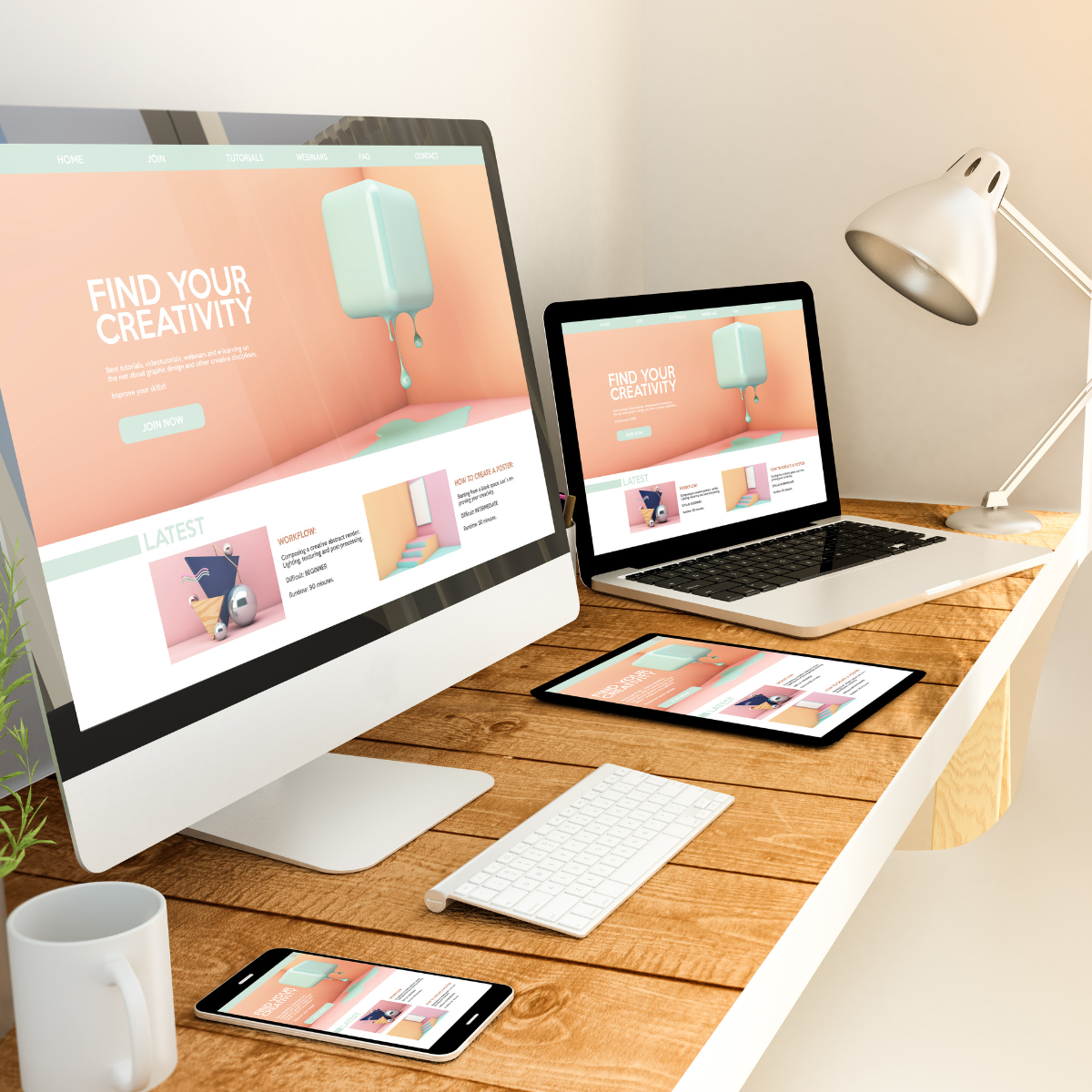
Don't just assess aesthetics, click through the live sites and experience them. Are they fast? Easy to navigate? Do they work on your phone? A beautiful design that's clunky to use is a red flag.
Genuine Client Testimonials
Third-party reviews are more reliable than testimonials cherry-picked for a website. Look on Google, Clutch, or industry directories. Ask the agency for referees you can speak to directly, a confident agency won't hesitate.
Technical Expertise That Matches Your Needs
Different platforms suit different businesses. WordPress offers flexibility and a huge plugin ecosystem. Webflow delivers exceptional design fidelity with solid CMS capabilities. Shopify is purpose-built for e-commerce. The right choice depends on your content needs, your team's comfort level, and your long-term plans, not just what the agency prefers to build in.
Ask what platform they'd recommend for your project, and why. A good agency will have a clear rationale.
Communication and Project Management
This one often gets overlooked until it becomes a problem. A web project without clear milestones, regular updates, and transparent communication can drag on for months and end up nowhere near the original brief.
Ask how they manage projects, what the review process looks like, and who your point of contact will be. If they're vague about any of these, take note.
Post-Launch Support
Websites need ongoing attention, software updates, security patches, performance monitoring, content changes. Understand what support looks like after launch, what it costs, and what's included.
The Current Web Design Landscape in New Zealand
New Zealand's web design industry is genuinely strong. There's a high concentration of creative talent, a culture of technical innovation, and, given the size of the market, most agencies have had to develop broad skills rather than narrow specialisations.
A few trends shaping NZ web design right now:
Mobile-first is the baseline. With the majority of NZ internet users on mobile devices, responsive design is non-negotiable. Google's mobile-first indexing means your mobile experience directly affects your search rankings.
Performance matters. Core Web Vitals, Google's metrics for speed, interactivity, and visual stability, are ranking factors. A slow site loses both visitors and search positions.
Minimalist design continues to dominate. Clean layouts, purposeful white space, and strong typography: this approach improves readability and keeps focus where it should be, on the content and the conversion.
Sustainability in web design is growing. Efficient code, optimised assets, and green hosting choices are becoming part of the conversation, particularly for brands with a sustainability story.
What Great Web Design Actually Costs in New Zealand
Pricing varies significantly depending on scope, platform, and agency size. As a rough guide:
- A basic brochure site: $5,000–$10,000
- A content-rich website with CMS: $10,000–$20,000
- E-commerce solutions: $15,000–$40,000+
- Custom builds or complex integrations: $30,000+
The cheapest option is rarely the most cost-effective one. A $3,000 website that doesn't convert, can't be updated without a developer, or needs to be rebuilt in 18 months costs far more in the long run.
Get detailed quotes, understand exactly what's in scope, and ask specifically about what's not included.
Common Questions About Web Design in New Zealand
How long does a website take to build? A standard website typically takes 8–16 weeks from kick-off to launch, depending on scope and how quickly the client can provide content. E-commerce or custom builds take longer. Delays almost always come from one place: content. Having your copy, images, and brand assets ready before the build starts makes a significant difference.
Who should I involve in the brief? Marketing, sales, and whoever manages your content day-to-day. The marketing team knows the audience and conversion goals. Sales knows what objections people have and what information they need before they buy. The content manager knows what's realistic to keep updated.
What's the difference between a web designer and a web developer? Designers focus on the visual experience and user journey. Developers build and code the functionality. On smaller projects, these roles often overlap. On larger builds, they're typically separate people. Know which you need, or more likely, which combination.
How Virtual Marketers Can Help
We project manage website builds for our clients from start to finish, and that covers the full scope: briefing agencies, reviewing proposals, negotiating fees, managing the build process, and making sure the final product actually delivers on the marketing brief.
This is particularly useful for businesses that don't have a dedicated marketing or technical resource in-house. We know how to evaluate an agency's proposal, spot where scope is vague, and ask the questions that protect your investment.
Our design team, led by Michelle (15 years across NZ, Australia, and London), can also handle builds directly, from brand creation through to a fully live, conversion-focused website.
If you're considering a website project and would like a second set of eyes on your brief, or want to talk through what's realistic for your budget, book a call with us. We're happy to help you make the right decision for your business, even if that means pointing you towards someone else.



.png)


.png)


